What we offer
Discover therapies
Expression LaSalle offers professional mental health therapy services. Alternative and traditional approaches support expression of thoughts, experiences and emotions through diverse modalities. In an open and supportive atmosphere, people can interact with others who share their interests and concerns.
Quick access
Our therapeutic approaches
Everyone has their own way of expressing themselves.
Art, music, movement and conversation open different paths to explore emotions and move toward well-being.
Art therapy
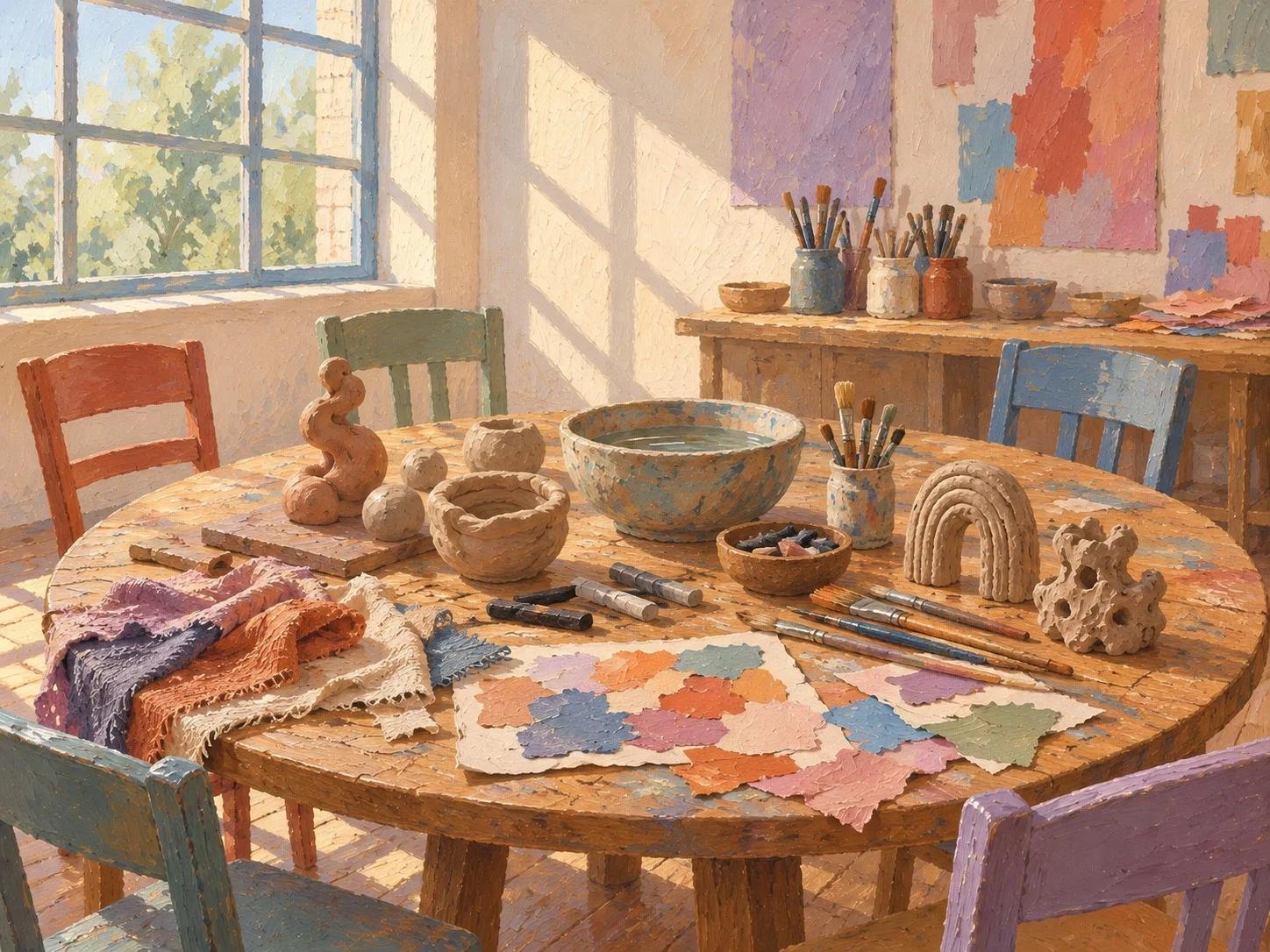
Art Therapy is a therapeutic modality based on certain principles drawn from the fields of psychology and the visual arts.
As a therapeutic activity, art therapy uses artistic expression as its primary mode of communication. Through various art processes: drawing, collage, painting, or sculpture, a participant can experience and express what he or she is feeling and living. Thoughts, emotions, personal difficulties and interpersonal relations, recall of memories and experiences of daily living, may find expression in a visual format. While art instruction is not the goal of this type of therapy, participants may develop confidence in their artistic skills through the creative process.
Application: At Expression LaSalle , art therapy is used in a group context (short-term or long-term duration). Previous experience in art is not necessary.
Group: Art Therapy groups are weekly meetings that are two (2) hours in length and where participants are encouraged to explore and share what is most significant and troubling in their life through a visual format (during first hour) and then verbally (in second hour). Participants are also encouraged to trust the creative process and to find a personal meaning in it. The verbal sharing and comments from each group member in the second half helps participants gain a new perspective and better understanding of themselves and others.
Art Therapy can address what needs? – Help a person who has difficulty expressing their emotions and/or problems through words.
– Provides a non-verbal and safe creative alternative for self-expression.
– Allows for the expression of thoughts and feelings both in image and in words.
– Offers a process that is at the same time physical, emotional and intellectual.
– Assists the subconscious to be revealed in a concrete format, thus increasing the possibility to work on underlying issues, conflicts and concerns.
– Helps a person gain a new understanding and perspective of themselves and others.
– Increases one’s ability to adapt to life situations.
– Helps break solitude when one struggles alone with problems and/or lives in silence.
Art therapy on the theme of sexual abuse
The aftermath of sexual abuse can lead a person to experience difficulty in trusting others, in finding words adequate enough to express emotions, as well as a general feeling of being caught in a vicious cycle.
Artistic expression can be a means to connect with oneself and others, to express things that are difficult to verbalize and to explore other ways of thinking about one’s experiences and seeing one’s life. Moreover, to experience one's creativity can facilitate the process of personal transformation, empowerment and the discovery of new solutions in the journey towards healing and personal well being.
Application: The weekly meetings are two (2) hours and fifteen (15) minutes in length. In the course of this art therapy group, participants are invited to first express their thoughts and feelings through various mediums such as drawing, painting, modeling, collage, poetry or stories. This will be done with full respect of participant’s rhythm and in a safe, non-judgmental and respectful atmosphere. Secondly, the therapist invites participants to share openly and talk “around” the artwork, in order to help better understand group members' experience and feelings. The group experience is an opportunity for everyone to realize that they are not alone in their suffering. It is also a way to learn about patterns of behavior which cause distress and cultivate a constructive way of relating to one’s own needs and limitations and to those of others
Participants: This group is offered in English and is open to men and women. Previous experience in art is not necessary. The only prerequisite is a readiness to be open to yourself and to others. This workshop is specifically recommended for individuals who have already done some therapeutic work (in group or individual) on the subject already.
Art Therapy on the theme of sexual abuse can address what needs? – Help individuals who have experienced any type of sexual abuse (see the definition on the Quebec government web site: Help and resources in the event of sexual assault )
– Offer a space to open up and explore psychological distress in relation to and as a consequence of an experience of sexual abuse (e.g., emotions, identity, relationships, etc.).
– Provide a safe, non-verbal and creative therapeutic modality in art therapy for self-expression and self-exploration.
– Allow for the expression of thoughts and feelings both in image and in words.
– Assist the subconscious to be revealed in concrete and metaphorical formats, thus increasing the possibility to work on and work through underlying issues, conflicts and concerns.
– Help a person gain a new understanding and perspective of themselves and others.
– Help break the solitude when one struggles alone with problems and/or lives in silence.
This service is intended for someone who has: – A relatively stable situation with a minimal support system or psychotherapeutic follow-up (not in a crisis).
– Has already done or has started some therapeutic work on the theme of sexual abuse.
– Wants to diminish his or her suffering, to understand, accept and learn to live with their experiences, find meaning and regain a sense of control over their life.
– Has an ability and readiness to listen to other people and explore this subject in a small group.
– Has the motivation and necessary energy to invest in the therapy process until the end (nine months).
– Has an interest to explore this subject through a creative arts process: art therapy

Counseling
Social work practice is based on theoretical principles drawn from a diversity of fields including: anthropology, ecology, psychology, and sociology.
Social work practice operates on a continuum and may address needs that range from an individual sphere, to an interpersonal level, or to a larger social context. In this way, the social worker may perform different roles according to the psychosocial needs of the participant(s). These roles can include advocate, counselor, mediator, and therapist.
Application: At Expression LaSalle , social work counseling is offered by a social work student or a professional social worker in a group context for short term duration.
Group Format: Discussion groups or workshops are weekly meetings that are typically two (2) hours in length. Participants are encouraged to explore their emotions, ideas and experiences through open sharing, in a safe and non-judgemental space. In a group context, participants benefit from the exchanges and insights offered by other members of the group, as well as by the social work facilitator(s).
The focus of discussion groups may vary from year to year, depending on the facilitator(s) area(s) of specialization. In recent years, creative mediums such as art, movement, yoga, writing, and relaxation are a few modalities that have been integrated into discussion groups at the Centre.
Drama therapy
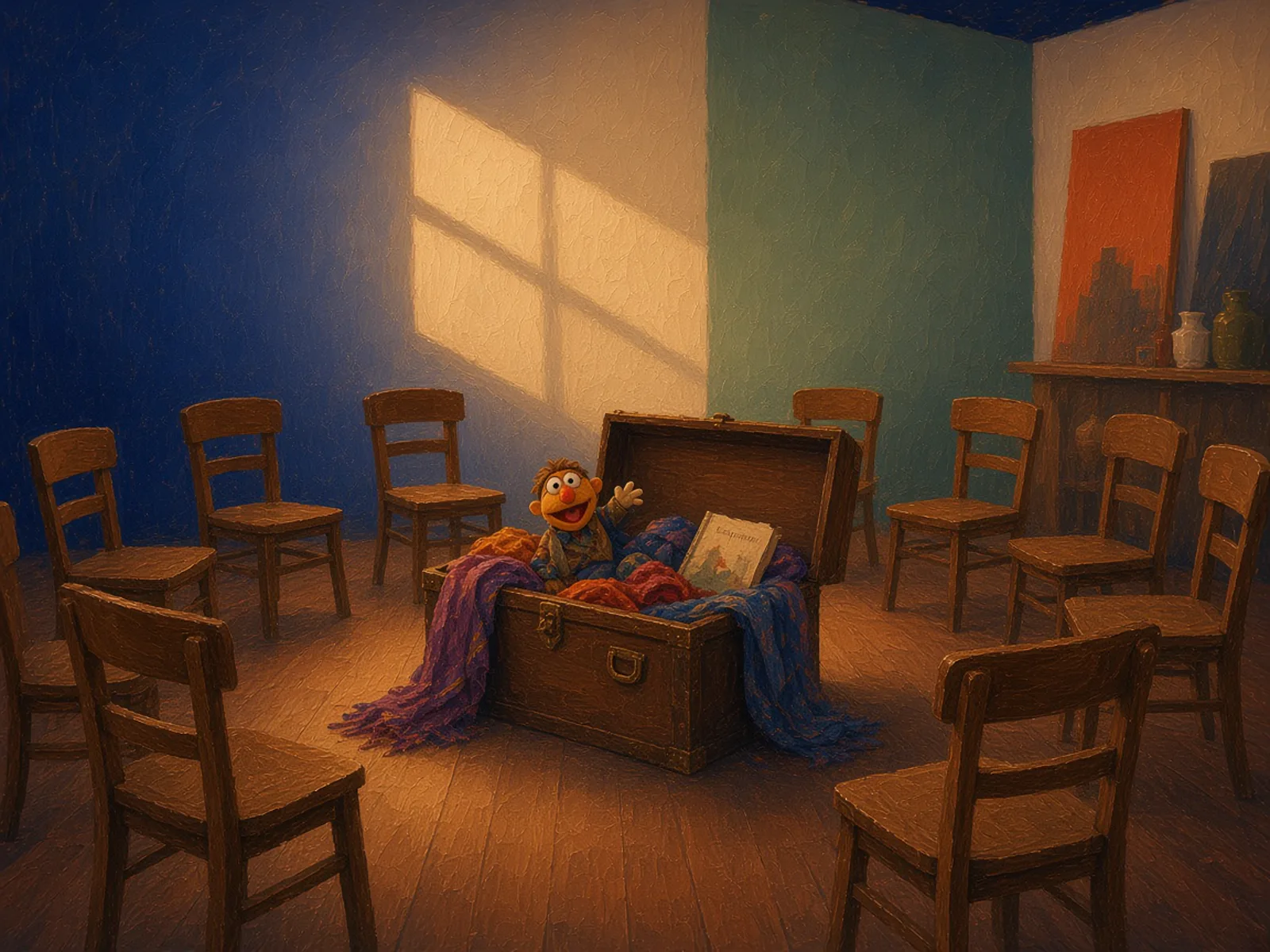
Drama Therapy offers participants the possibility to explore a variety of dramatic processes to gain new insights and express their individuality.
Role play, story-making, dramatic enactment, character work, theatre games, the use of masks, puppetry, art and movement, can assist a person to express his or her feelings, difficulties and experiences. It can also help participants embark upon a voyage of self-discovery from which new perspectives into old patterns, current challenges and solutions can emerge. Drama Therapy encourages exploration of new roles that are available, and fosters a spontaneous, authentic and confident attitude.
Application: At Expression LaSalle, drama therapy is used in a group context. Participants are not required to have any previous drama experience, however, a good capacity for movement is recommended.
Group Format: Drama therapy groups are weekly meetings that are two hours in length. They provide a safe therapeutic environment in which group members have the opportunity to witness and be witnessed, as they strive to find, acknowledge and strengthen their potential for evoking positive change.
Drama Therapy can address what needs? – Helps enhance and develop interpersonal communication, social skills and can break isolation.
– Encourages healthier interpersonal relationships.
– Gain a better understanding of oneself through a creative process.
– Allows for self-expression both in words and through play and imagination.
– Offers a safe space to practice new and desired behaviors.
– Helps to awaken spontaneity.
– Increases one’s ability to adapt to life situations.
– Assists in the identification and establishment of a sense of balance through the roles of daily life.
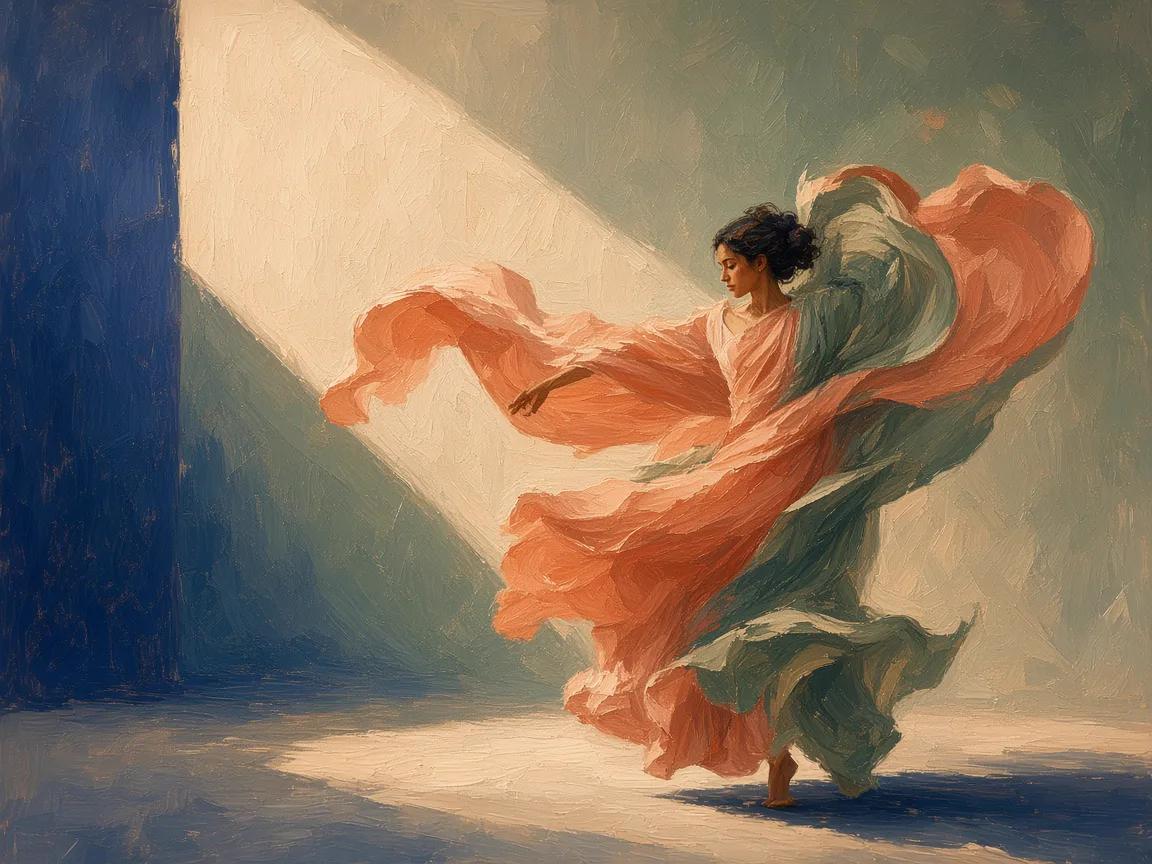
Dance / movement therapy
Dance/Movement Therapy is a therapeutic approach based on the principle that the psyche and the body are intimately linked and influence each other.
Thus, through movement and body expression, participants can explore the discovery of themselves, their bodies in movement, their experiences, their emotions and sensations, as well as their creativity. Certain elements of dance (body awareness, non-verbal and symbolic communication, rhythm, space, gestures and postures, improvisation) are used as therapeutic and/or recovery tools to promote physical and mental health transformation and wellness.
Application: At Expression LaSalle, Dance/Movement Therapy is used in a group context. Participants are not required to have any previous dance experience. However, this service is recommended for people who have the capacity to do light to medium intensity movements. Wearing comfortable clothing is also recommended.
Group: Dance/Movement Therapy groups are weekly, two-hour meetings. In a safe and therapeutic environment, each member of the group has the opportunity to accompany the other participants and to be accompanied along this journey of self-discovery, as they work to find, recognize and strengthen their potential to bring about positive change. The group also offers the opportunity to work on social skills: non-verbal and verbal communication.
Dance/Movement Therapy can address what needs? – Explore the connection between mental and physical health.
– Move your body and increase your movement repertoire as much as possible and desired.
– Release your creativity and spontaneity.
– Recognize and express feelings and emotions.
– Promote a better capacity for introspection and self-knowledge.
– Practice being in the moment and regulating emotions through improvisation, relaxation and grounding techniques.
– Explore and improvise in movement to discover new ways of being.
– Relate to others verbally and non-verbally.- Explore self-esteem and body image, (re)appropriation and body awareness.
Note: due to budget constraints and a shortage of therapists trained in this discipline, dance/movement therapy is not currently offered.
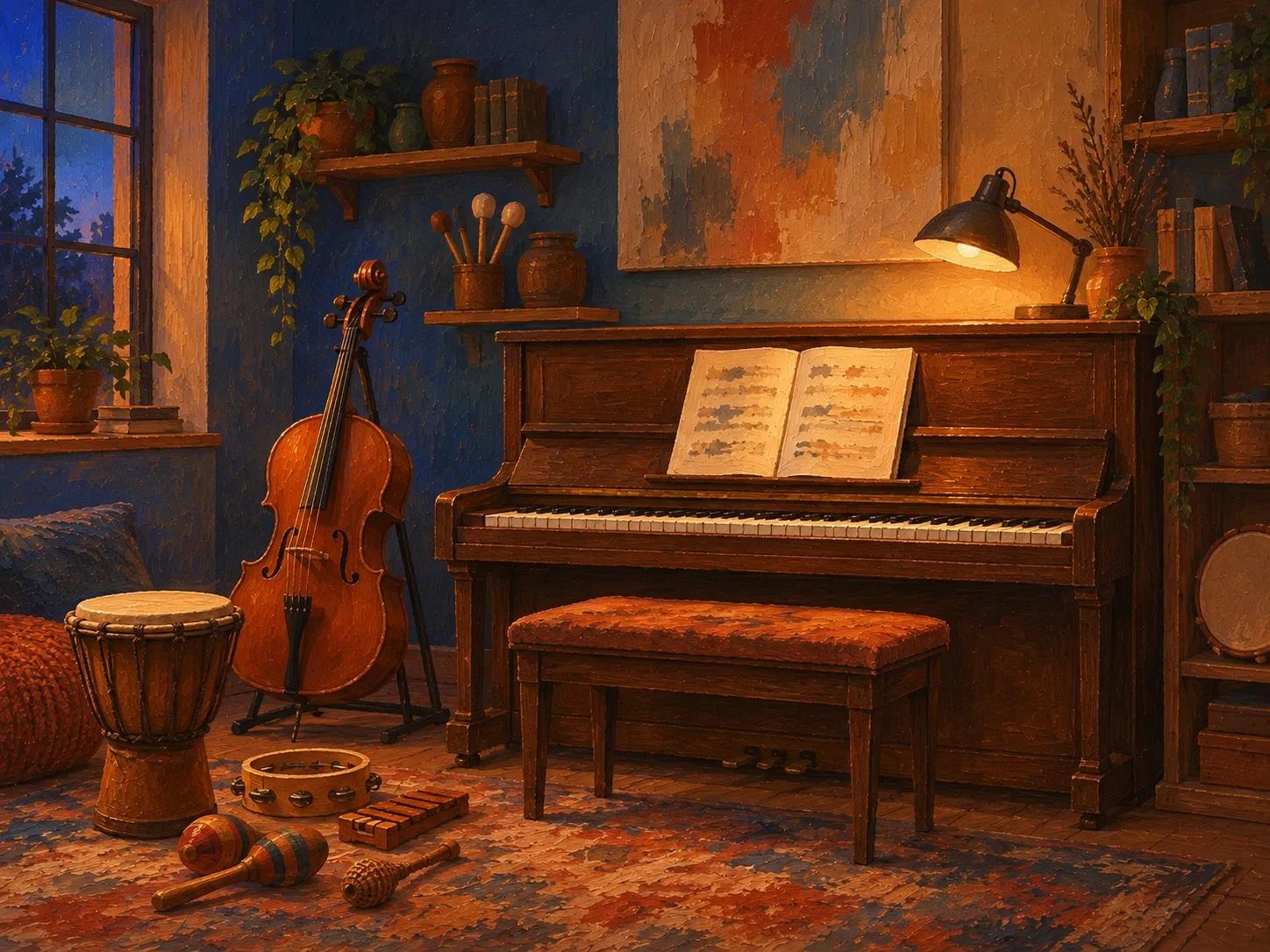
Music therapy
Music therapy is an intervention method that uses music in all its forms to help a participant reach their pre-established goals.
Music therapy calls upon a participant’s sensitivity and creativity and offers a non-verbal approach to facilitate expression. A participant can use musical and vocal improvisation, listen to pre-recorded or live music and compose songs or music to maintain or improve mental and physical health and/or work on personal growth.
A music therapist can choose from a variety of theoretical orientations to guide and structure her therapeutic work. Verbal exchanges are encouraged before or after a musical experience. A person can express what he or she is experiencing in his or her life and in the music therapy group setting. Combining musical and verbal expression allows a person to gain insight and facilitate personal transformation of his/her perceptions and behaviors.
Application: At Expression LaSalle, music therapy is used in a group context for a short term duration. No prior musical experience is necessary.
Group Format: Music therapy groups are offered between the months of September and June once a week. During the two (2) hour sessions, participants are invited to share their musical preferences and to express themselves musically. The first hour of the group comprises a musical opening, a verbal check-in, musical experiences and verbal sharing. The second hour comprises a break, debriefing on the first part, additional musical experiences and a musical closure.
Music therapy can address what needs? – Allows for the expression of thoughts and feelings both through musical activities and in words.
– Offers a process that is at the same time physical, emotional and intellectual.
-Helps enhance interpersonal communication, social skills and can break isolation.
– Helps a person gain a new understanding and perspective of themselves and others.
– Presents an opportunity to learn strategies for relaxation and improve symptoms of stress and anxiety.
– Fosters consciousness and connection to the body.
– Encourages living in the present moment.

Mindfulness relaxation and discussion
Reflect, Relax and Recharge
There are two primary objectives for this group therapy:
The first objective is to provide participants with a safe and confidential setting where they can discuss their personal thoughts, challenges and emotions, and receive support from others. This group helps participants to identify and explore themes and experiences that are relevant to their lives and to develop healthy strategies for coping and managing stress. Participants benefit from the verbal exchanges and ideas shared by other group members, as well as by the therapist.
The second objective is to promote relaxation as an alternative method to improving one’s physical, emotional, spiritual and mental health. The practice of mindfulness meditation is explored in this group and is grounded in the notion that the mind and body are inextricably connected. Through various practices that connect the physical, emotional and mental health, participants are encouraged to pay careful attention to the sensations that arise during relaxation, and to observe the experience. The purpose of this practice is to gain insight into oneself through an increased awareness of the mind, body and its surroundings. By directing attention inwards, participants foster a greater awareness of how tensions, pain, and thoughts directly affect physical and mental well-being. The practice of relaxation and mindfulness can equally help participants reduce anxiety and symptoms related to chronic stress and physical illness, quiet thoughts and emotions, as well as strengthen the immune and circulatory system.
Application: The weekly meetings are two (2) hours in length. The relaxation groups are offered by a mental health professional or a student who is in training in one of the following fields: social work, psycho-education, counselling psychology or the creative arts therapies. In each session participants are guided through a variety of relaxation techniques (such as deep breathing, light stretches, meditation, visualization, etc.), as well as given time to explore themes that are relevant to their personal lives.
Comfortable clothing is suggested.
Relaxation and Discussion Therapy can address what needs? – Encourages living better in the present moment, in a state of mindfulness.
– Fosters more self-awareness and connection to the body.
– Reduce and improve the management of symptoms of stress and physical illness.
– Strengthens the immune and circulatory system through meditative and relaxation techniques.
Watch
Therapy videos
Section coming soon!